
 Road Scholar
Table of Contents
Planning a trip to Greece feels like opening a door to another lifetime, where one minute you’re mindlessly scrolling through the top flight deals on your phone and the next you’re daydreaming of walking through historic ruins or enjoying conversations over a rooftop dinner while the sun sets over the Aegean. The country has a way of pulling you in with its sun-washed ruins, salt-scented coastline, slow afternoons with clinking glasses and fresh herbs, and an easy rhythm of life that makes you want to stay a little longer than planned.
This Greece travel guide pulls together essential tips from experts on how to plan an unforgettable trip to Greece. Inside, you’ll find practical insights and hard-earned lessons from the road and advice from someone who has traveled there, from getting lost in a hillside village to missing a ferry. Trust me, planning ahead can make all the difference so you can travel with confidence.

Why Greece Should Be on Your Travel List
Greece earns its spot on any travel list because it offers a wide range of unique experiences for any type of traveler that stays with you long after you’re home.
History:
The ancient sites alone are enough reason to visit Greece. Standing at the foot of the Acropolis or walking through the ruins at Delphi gives you a sense of time that’s hard to find elsewhere. When you’re immersed in the culture and scenery, these areas feel alive, shaped by centuries of footsteps and stories.
Islands:
Then there are the islands — top destinations for retirees, solo travelers, and families alike. Each one has its own unique rhythm to experience and enjoy, whether you’re someone who’s looking for quiet coves on quaint islands like Naxos and Milos, lively villages in Crete or Santorini, or cliffside towns that glow at sunset.
Food:
In Greece, meals are unhurried and simple, drawing on local ingredients and bold flavors to bring seafood and grilled meats to life. And the pastries here will make you rethink dessert forever, from baklava recipes that have been passed down for generations to tasty galaktoboureko and lokma.

More than anything, Greece draws you into authentic experiences. It could be an afternoon speaking with a local shop owner, visiting a hillside monastery or simply enjoying a sea breeze. Greece is a place to slow down and explore deeply and take home stories that will remain with you beyond your travels.
Planning Your Trip
If I’ve convinced you that Greece is the right destination for your next trip, to make the most of your excursion, careful planning is essential. While Greece is beautiful year-round, each season offers a different experience, and the type of trip you plan will shape everything from your packing list to how far in advance you should book. Keep these tips in mind:
Best Time To Visit:
If you’re seeking warm weather without overwhelming crowds, spring and fall are your best options. Summer offers long, sunny days and lively islands, but that also means higher prices and larger crowds. Winter is much quieter and cooler, especially on the islands, offering a perfect opportunity to explore Athens and the historic sites and local culture.
Experience Type:
When it comes to traveling in Greece, you have two options: focus on the mainland or venture to the islands. Mainland Greece, including Athens, the Peloponnese, Delphi, and Meteora, is rich in history. The islands offer a slower pace, where you can embark on a ferry, relax on a beach and enjoy the charm of village life.
Packing Essentials:
A lightweight carry-on, breathable clothing, comfortable walking shoes and a sun hat will make a big difference, along with versatile layers for those breezy evenings of spring and fall. Don’t forget a swimsuit, reef-safe sunscreen, small daypack and modest clothing for visiting religious sites, in addition to a power bank, adapter and a money belt.
Booking Considerations:
In the summer, ferries and hotels book quickly, so reserve early if you’re traveling in peak season. Check flight options for both Athens and regional airports if you’re heading straight to an island, but Athens often has the most affordable rates. Also, make sure to look closely at ferry schedules, since not all routes run daily.
The Perfect Greece Travel Experience: Top Spots to Visit
Greece is brimming with destinations that spark the imagination, but a select few stand out for their breathtaking scenery, rich ancient history, and the way they evoke a deep connection to the country’s spirit. These locations form a solid foundation for any Greek travel excursion.
Athens:
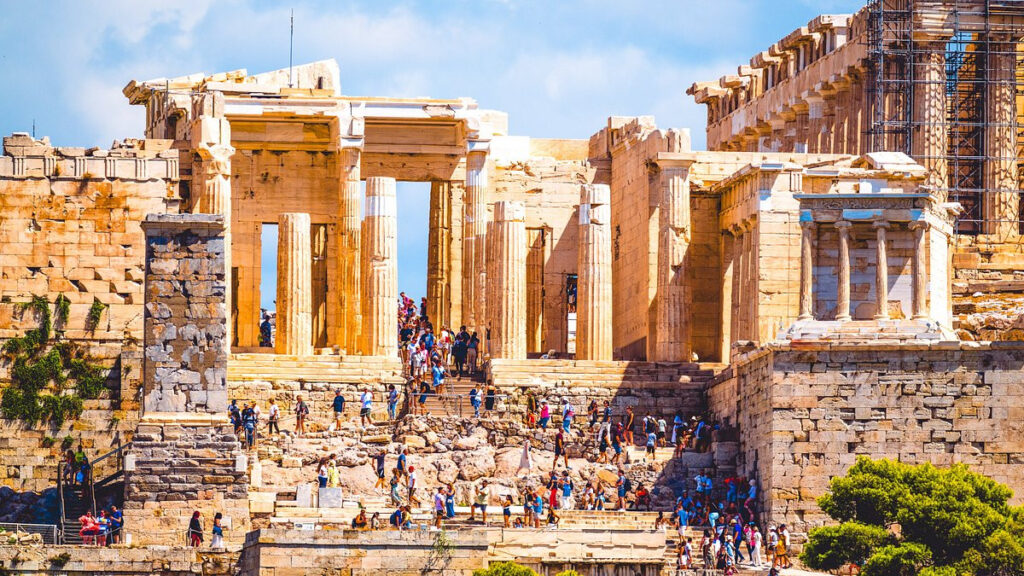
No trip to Greece is complete without a stop in its capital, Athens, where ancient and modern life meet. Begin with a quiet morning learning about Greek mythology at the Acropolis before wandering through Monastiraki’s bustling markets. Complete the day with a rooftop dinner overlooking the glistening view of the Parthenon. Athens is a perfect introduction to gaining a deeper understanding of Greece’s history and culture.
Santorini:
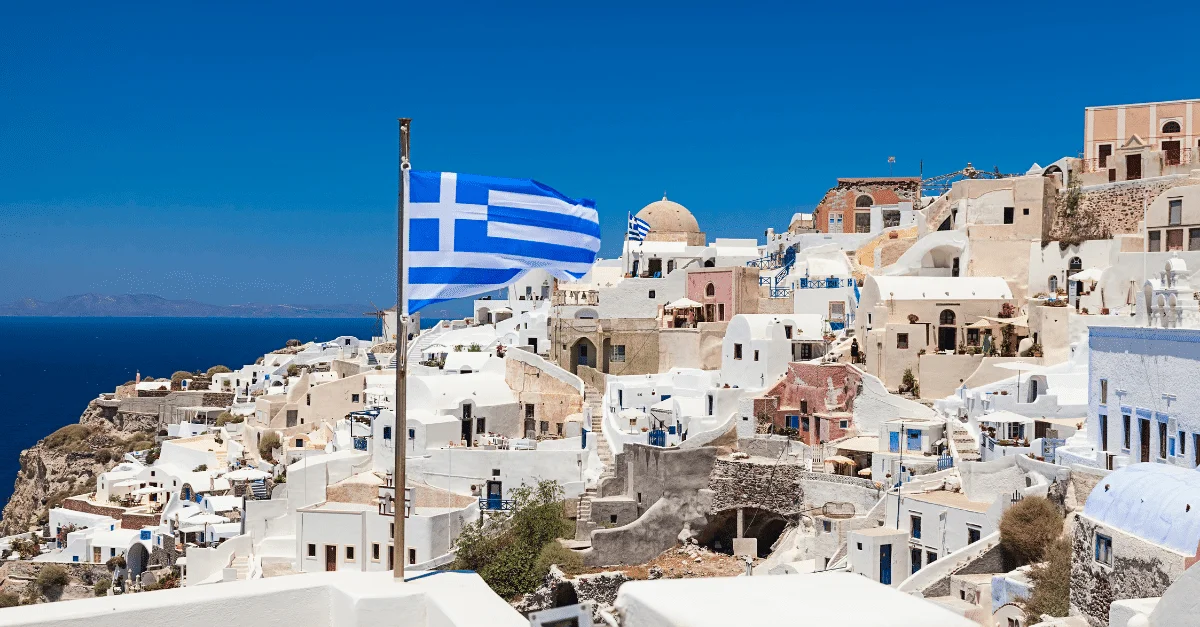
Known for its volcanic cliffs and postcard sunsets, Santorini delivers the views everyone speaks of. Explore the cave houses in Oia, then hike to Fira for panoramic seascapes along the Fira-Oia Trail, followed by a visit to ancient sites like Akrotiri. Or, relax on a Caldera Catamaran Cruise to take in the village from a different vantage point.
Mykonos:
While known for its nightlife, Mykonos also has quiet corners with pretty beaches and a maze of meandering streets lined with white-washed Cycladic buildings. Visit the windmills and Little Venice, and take a boat to the sacred island of Delos, a UNESCO World Heritage site. Additionally, don’t miss a visit to the beautiful Panagia Paraportiani Church with its whitewashed walls.
Crete:
Greece’s largest island, Crete feels like a world of its own, where you’ll find mountain villages and clear blue beaches. Visit the Palace of Knossos and hike the Samaria Gorge for an unforgettable adventure. The island offers travelers the perfect balance between cultural exploration and beach time.
Naxos:
As a quieter alternative to some of the more famous islands and generally more affordable, Naxos offers a perfect laid-back getaway with long sandy beaches and charming inland villages. Take time to enjoy some of the best Greek cuisine at its local eateries and visit the island’s most famous landmark, Portaro, the Temple of Apollo and marvel at its 6th-century marble doorway.
Tips for a Smooth Trip
To make your trip to Greece smoother, here are a few practical tips to keep in mind to avoid the usual pitfalls and experience the country the way locals do.
Avoid Obvious Tourist Traps:
Places like Plaka or Mykonos Town are quite lovely, but they can be expensive. Instead, wander a few streets away from the busiest corridors to discover exceptional food and truly genuine connections.
Understand Local Customs:
Simple gestures such as greeting with “yasas” (hello) and “efharistó” (thank you), along with remembering that most shops tend to close for a “mesimeri” (afternoon break) between 2 p.m. and 5 p.m., are greatly appreciated.
Plan For Transportation Quirks:
Ferries are generally pretty reliable, but weather can sometimes cause delays, particularly when windy conditions become a factor.
Eat Where Locals Do:
For special dining experiences, visit tavernas offering simple menus, fresh seafood and Greek conversation. And remember to take your time, for meals are meant to be enjoyed.
Wrapping Up: Your Greek Adventure Awaits
Greece has a way of sweeping you up in its stories, its scenery, and the moments that unfold when you least expect them. By planning thoughtfully, you’ll enjoy everything Greece has to offer, including its rich history, vibrant culture and stunning landscapes. These are vivid experiences that you’ll carry with you well after you leave, so keep exploring. You never know what unexpected adventures await!
If you’re craving more expert travel advice and destination inspiration, explore some of our other guides you might enjoy below:
What is the best time to plan a trip to Greece?
The best time to plan a trip to Greece is during spring (April–June) or fall (September–October). These shoulder seasons offer warm weather, fewer crowds, and lower prices than peak summer. Summer is ideal for island life but comes with higher costs, while winter is best for cultural travel in cities like Athens.
How many days do you need for a trip to Greece?
A well-paced trip to Greece typically requires 7 to 14 days. One week allows time for Athens and one island, while two weeks lets you explore multiple islands or combine mainland destinations like Delphi, Meteora, or the Peloponnese with island hopping.
Is Greece expensive to visit?
Greece can be affordable or luxurious depending on how you travel. Budget travelers can keep costs low by visiting less touristy islands, eating at local tavernas, and traveling in the shoulder season. Prices rise significantly in July and August, especially in Santorini and Mykonos.
Do you need a visa for a trip to Greece?
Travelers from the United States, Canada, the UK, and most of the EU do not need a visa for stays of up to 90 days. Greece is part of the Schengen Area, so passport rules apply across multiple European countries.
Should you visit mainland Greece or the islands?
Both offer incredible experiences. Mainland Greece is ideal for history lovers and road trips, while the Greek islands are perfect for beach time, slow travel, and scenic villages. Many travelers combine both for a more balanced trip.
What should I pack for a trip to Greece?
Pack breathable clothing, comfortable walking shoes, a swimsuit, sun protection, and light layers for evenings. If visiting churches or monasteries, modest clothing is required. A small daypack and reusable water bottle are also helpful.
Is island hopping easy in Greece?
Yes, island hopping is straightforward thanks to Greece’s extensive ferry system. However, schedules can change due to weather, so it’s wise to build flexibility into your itinerary and avoid packing too many islands into a short trip.
Is Greece good for first-time international travelers?
Greece is an excellent destination for first-time international travelers. English is widely spoken, transportation is accessible, and the culture is welcoming, making it easy to navigate and enjoy with confidence.


 Kayla Cosmos
 Cait Charles
 Trevor Carlson