 Alonso Cotrinatello
Table of Contents
Ecuador may be small, but it feels like four countries folded into one: volcanoes towering over colonial cities, cloud forests full of hummingbirds, hot springs tucked into the mountains, and islands full of wildlife. This guide breaks down everything you need to know before exploring Ecuador, from how to get there to what to see, when to go, and how to travel around with ease. Grab your sense of adventure and vamos a explorar Ecuador!
Getting to Ecuador: Flights, Borders & Entry Basics
Okay, so how do you actually get to exploring Ecuador? The most common way is by plane, especially if you’re coming from outside South America. Quito and Guayaquil are the main international gateways. If you’re already in a neighboring country (Peru or Colombia), you can also arrive by bus. Border crossings are common and pretty straightforward, but flying into Quito keeps things simple and gives you a smoother start.
Money in Ecuador: Currency, Costs & Cash Tips
Ecuador uses the US dollar as its official currency, which makes things surprisingly easy for travelers. You can withdraw dollars directly from ATMs, and remember that cash is still king in mercados, taxis, and small shops. Prices can feel cheaper than the U.S. but slightly higher than other Andean countries, so budget accordingly, especially if you plan on grabbing daily coffees, bielas (beers) or taking taxis around the city.
The Best Times to Visit Ecuador (By Region)
Ecuador doesn’t have four seasons,think of it as rainy and not rainy, with variations depending on the region.
Highlands (Quito, Sierra, Cuenca, Cotopaxi, Baños)
- Year-round travel-friendly
- June–September: clearer skies, great for volcano views and hiking
- October–May: more rain, but still easy to explore; expect cloudy mornings and afternoon showers
Cloud Forest (Mindo)
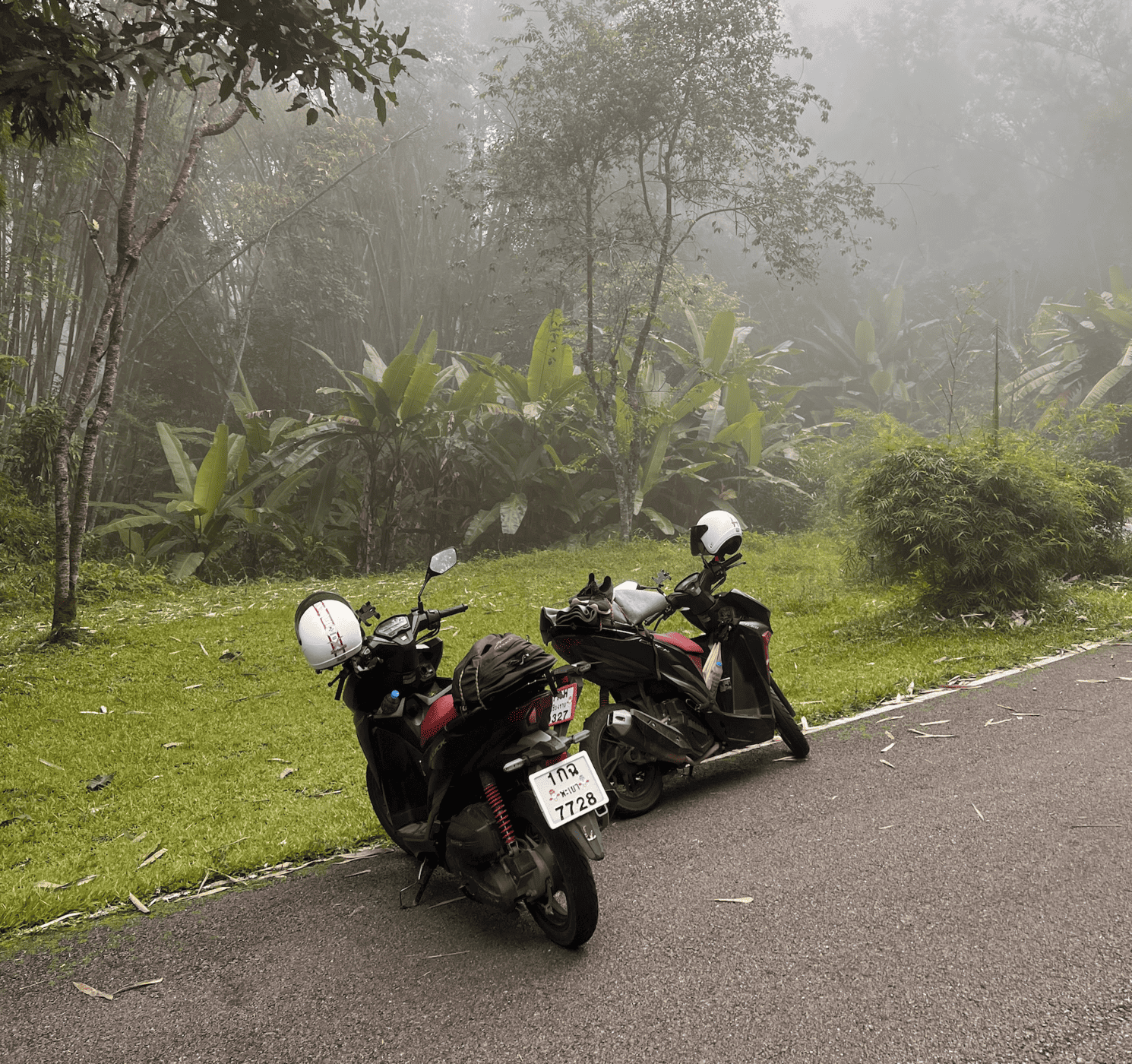
- Year-round, with mist and rain as part of the experience
- Expect lush landscapes, foggy mornings, and the greenest greens you’ve ever seen
Guayaquil (Coastal Region)
- December–May: Rainy season. Expect higher humidity, afternoon showers, and very hot days.
- June–November:
Drier, slightly cooler, and more comfortable for walking around the Malecón or Las Peñas.
Galápagos
- December–May: warmer seas, calm waters. Best for swimming and snorkeling
- June–November: cooler, nutrient-rich waters. Peak wildlife activity
Where to Go While Exploring Ecuador:
Here’s how each Andean stop feels and what it’s good for. You can chain them together however you like.
Quito: History, Altitude & Andean City Life
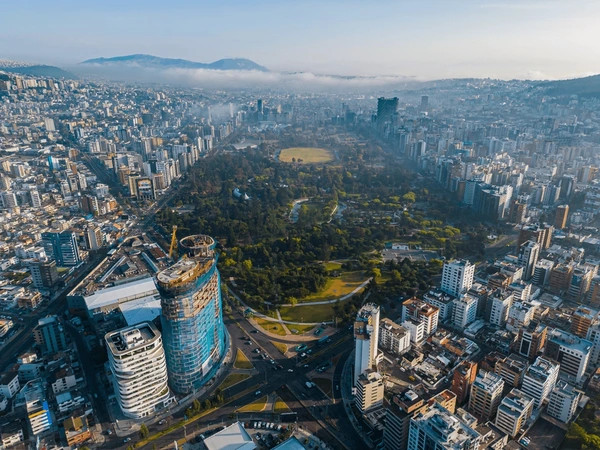
Perched at 2850 meters (9350 ft) above sea level, Quito is a city that hits you with altitude, history and beauty at the same time. It stretches along the Andes like a long, narrow balcony overlooking volcanoes, green hills, and patches of colonial houses. Quito is chaotic, historic, loud, peaceful, modern, old… everything at once.
Explore Quito’s Historic Heart
You can start your adventure in Quito in Centro Histórico, one of the best-preserved old towns in South America. Wander through Plaza Grande, step inside ornate churches, and climb the towers of the Basílica del Voto Nacional for citywide views.
Experience Local Life
Outside the historic core, Quito shows a more everyday side. La Ronda, a bohemian street, comes alive at night with chocolate, canelazo (the local drink) and music. In Parque La Carolina, families jog, picnic, and rollerblade on weekends, it’s kind of the city’s version of Central Park.
Go Higher for Bigger Views
If you want Andean panoramas, take the Teleférico up the slopes of Pichincha. The views are huge, the air is thin, and for those acclimatized, several scenic trails start at the top.
Stand on the Equator
Just outside the city lies Mitad del Mundo, where you can literally straddle the equator, set your feet in both hemispheres and check that off your bucket list. Nearby, the Intiñan Museum blends cultural exhibits for the visitors.
Where to Stay in Quito
- La Carolina: safe, modern, quiet
- La Mariscal: lively, social, more nightlife
Pro Tip: If you start in Quito, remember to take it slow and stay hydrated on your first day. Altitude sickness is very common for travelers here!
For more information on what to see in Quito, events and what’s happening around the city, don’t forget to check Visit Quito.
Mindo: Cloud Forest, Hummingbirds & Chocolate
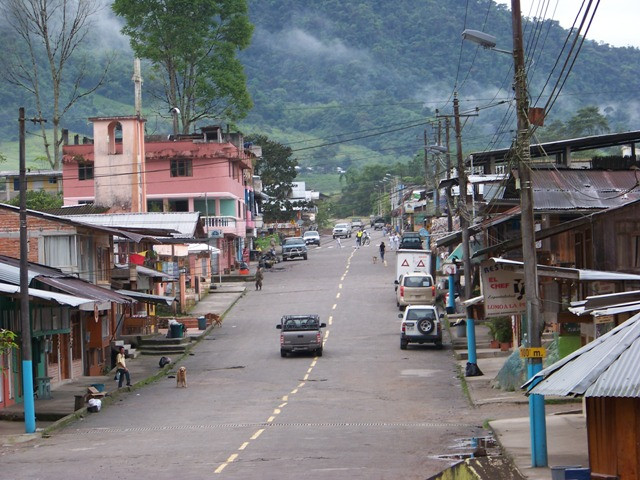
Just 2–2.5 hours from Quito, Mindo feels like a tiny backpacker town tucked inside a cloud forest. Everything here moves at a slower pace, surrounded by mist, nature and bird songs.
Waterfalls & Hiking
Mindo is known for its lush trails and the tarabita, a small open-air cable car that crosses the valley and takes you to a series of waterfalls. It’s a simple but unforgettable nature outing.
Birdwatching
This area is one of Ecuador’s top birding destinations. Hummingbirds are everywhere. Some lodges even set up feeders so you can watch dozens of them up close for hours.
Ziplining
If you’re feeling adventurous, multiple canopy courses let you fly over the forest. It’s one of the most popular activities here.
Chocolate Tours
Mindo takes cacao seriously. Bean-to-bar tours in town walk you through the process and give you plenty of chocolate to sample.
Slow, Forest Mornings
Expect cozy mornings with rain pattering on your roof, coffee brewing, and birds waking you up. It’s a peaceful vibe that’s hard to leave behind.
Cotopaxi National Park: Volcanoes & High-Altitude Lagoons

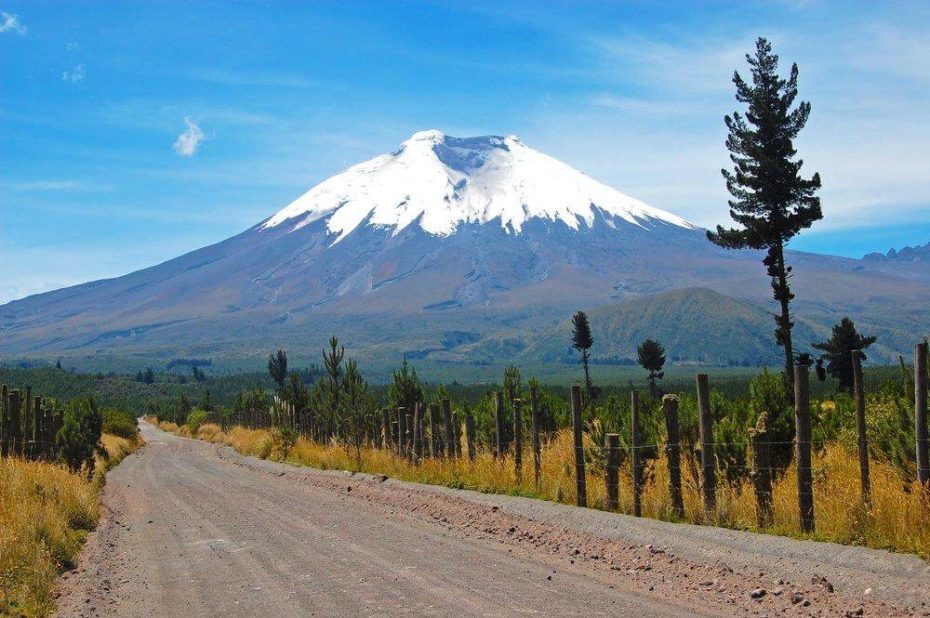
Cotopaxi is one of the world’s highest active volcanoes, reaching 5,897 m. And if you’re exploring Ecuador, you definitely have to go there. The classic base is a lodge near the park entrance, where you wake up to the volcano’s snowcapped cone (on clear days) and head into the park for hikes.
Limpiopungo Lagoon
A gentle loop walk around this lagoon sits at nearly 3,900 m, offering wide-open views of the volcano and the Andean páramo. It’s a great low-effort, high-reward introduction to the park.
Mountain Biking
For thrill-seekers, several tours offer bike descents down Cotopaxi’s slopes. It’s fast, fun, and scenic.
Refugio Hike
If the weather cooperates, you can hike up to the volcano’s refuge. It’s short but steep. The altitude makes it a memorable challenge.
Pro Tip: The park is stunning, but conditions can be cold, windy, and unpredictable. Bring layers, gloves, a proper windbreaker and a rain poncho.
Baños de Agua Santa: Ecuador’s Adventure Capital
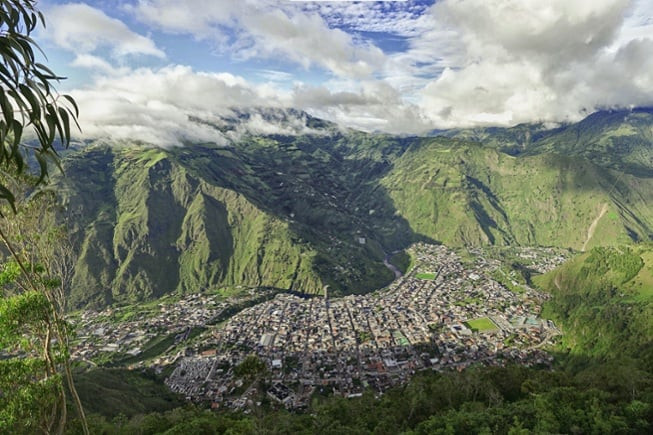
Baños de Agua Santa (usually just “Baños”) is where travelers come to jump off things, chase waterfalls, and recover in hot springs. The vibe of this place is energetic, outdoorsy, and perfect for anyone who wants adventure days and chill nights.
La Ruta de las Cascadas
Start with one of Baños’ most iconic experiences: a scenic road lined with waterfalls. You can explore it by bike or by local bus, stopping at viewpoints along the way. It’s an easy half-day adventure and one of the best introductions to the area
Casa del Árbol & the Swing at the End of the World
Just outside town, you’ll find the famous swing overlooking Tungurahua volcano. On clear days, the view is unreal. Even if the weather doesn’t cooperate, it’s a fun spot with a classic Baños feel.
Hot Springs & Relaxation
Baños’ thermal pools are perfect to unwind. These volcanic waters are especially popular at night, when the temperature drops and you’re ready to slow down.
Adventure Sports Everywhere
If adrenaline is your thing, you’re in the right place. Baños is known for canyoning, rafting, bungee jumping, and ziplining, all offered at backpacker-friendly prices. Agencies around town can organize trips on the spot.
The Small Town Vibe
Baños itself is small, walkable, and full of hostels, tour agencies, cafés, and cheap restaurants. It’s the kind of place where you can easily extend your stay without planning to. Perfect for mixing adventure and downtime.
Cuenca: Colonial Streets, Cafés & Slow Travel
Cuenca is a gentler, more laid-back Andean city further south. Its historic center was declared a UNESCO World Heritage site in 1999 for its colonial architecture and urban design.

Things You Can’t Miss:
Mercado 10 de Agosto
This is the classic place for local flavors. Grab a cheap almuerzo (lunch) upstairs or wander the stalls for fresh produce and snacks.
Tomebamba Riverside Walks
The river cuts through the city, creating peaceful paths lined with trees, cafés, and locals out for a stroll.
Parque Calderón
Surrounded by churches and museums, this is the cultural heart of Cuenca, perfect for people-watching and learning about the city’s history.
Cajas National Park
Just a short trip away, Cajas offers moody lagoons, misty páramos, and high-altitude trails. It’s an ideal day trip for hikers or those wanting pure Andean nature.
Otavalo: Markets, Textiles & Lake Views
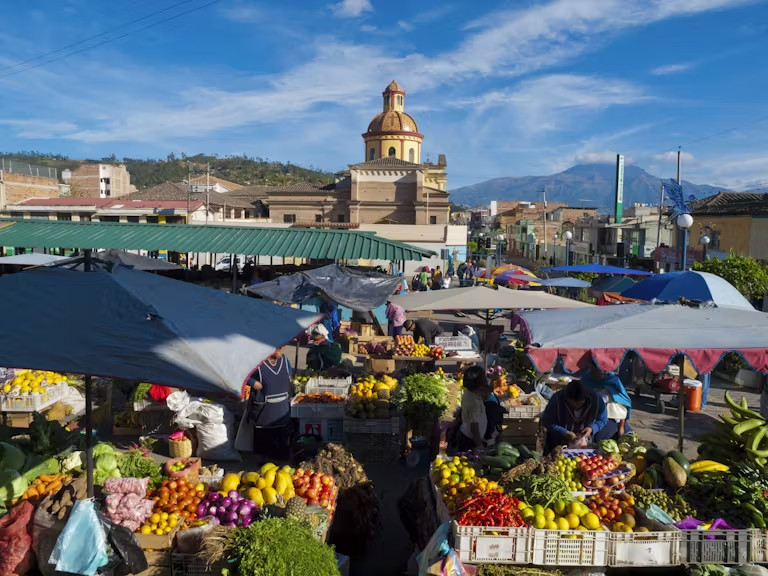
A few hours north of Quito, Otavalo is one of Ecuador’s most culturally rich and visually colorful destinations. It’s home to vibrant markets, crater lakes, and artisan villages.
Otavalo Market
Otavalo’s famous market, also called “Plaza de los Ponchos”, especially lively on Saturdays, is packed with textiles, ponchos, blankets, hats, jewelry, and handcrafted goods. It’s one of the best places in the Andes to shop for traditional Ecuadorian items.
Laguna Cuicocha
Just outside town, this crater lake offers hiking trails with sweeping views and boat trips across its deep-blue water.
Craft Villages
The communities around Otavalo are known for weaving and other traditional crafts. Visiting these workshops gives insight into local art and indigenous culture.
Galápagos: Wildlife, Volcanoes & Once-in-a-Lifetime Encounters

Galápagos is easily one of the most mind-bending places you’ll ever visit. Think wildlife everywhere, volcanic landscapes, and that strange feeling of “how is this real?
What You Can Expect in Galapagos:
- Wildlife up close: the famous giant turtles, sharks, penguins, sea lions and many more, just in their natural habitat.
- Volcanic landscapes: black lava fields, red beaches, and bizarre rock formations.
- Snorkeling like nowhere else: swim with turtles, rays, reef sharks, and (if you’re lucky) playful sea lions.
- Island vibes: each major island, Santa Cruz, San Cristóbal, Isabela, has its own rhythm, nature, and highlights.
- Photography paradise: sunrise, sunset, wildlife… it’s actually impossible to take a bad photo here!
Galápagos Travel Tips & Costs:
- Galápagos is more expensive than mainland Ecuador due to conservation rules and limited resources.
- You can travel via land-based stays (more freedom) or cruises (more controlled access to remote islands).
Ecuadorian Slang You’ll Actually Hear (and Want to Use)
- Ñaño / Ñaña
A warm, affectionate “bro/sis,” often used even with friendly strangers. It signals trust and closeness. - Lamparoso
Someone who loves showing off, it’s more playful than offensive. Often said jokingly among friends. - Huevada
Anything silly, random, or unnecessary. Used constantly in everyday conversations. - Bielas
Beers. A casual, friendly way to say it, “unas bielas” is like inviting someone for a relaxed hang. - Caleta
Your house or personal spot. Similar to “my place.” - Chuchaqui
Hangover. A key part of Ecuadorian slang. - Vamos a chumar
“Let’s go drink.” Straightforward and often said before a night out. - Estoy chiro
“I’m broke.” A very relatable post-weekend phrase. - Pro Tip for using slang: For the sake of laugh and learning, you can check out the Ecuadorian you-tubers “Enchufe TV”, they are very famous for their sketches and are very popular in Latin America in general. And yes, they use a lot of slang.
Budgeting for Exploring Ecuador
As in any place, you will find varying prices depending on the experiences you’re looking for; but in general, these would be the approximate prices for mainland Ecuador:
- Hostels: $10–$18 per night
- Budget hotels: $25–$40
- Local buses (city): $0.25–$0.35
- Intercity buses: ~$1–$2 per hour of travel
- Almuerzos (lunch menus): $2–$5
- Coffee: $1.50–$3
- Beer (biela): $1–$2
- Taxis: cheap but use apps after dark
Galápagos is significantly more expensive, expect to pay 2–3× mainland prices.
Safety while Exploring Ecuador: What Travelers Actually Need to Know
As in other places in Latin America, Ecuador isn’t a crime-free utopia, and news about rising crime is real, but millions of travelers still visit every year without major issues.
Basics:
- In big cities, avoid waving your phone around on the street, especially at night in Quito and Guayaquil.
- Use registered taxis / ride apps after dark.
- In markets and crowded buses, keep your bag in front of you.
- Don’t hike remote trails alone at dawn or dusk; go with a guide or group when possible.
- In high-altitude places, respect your body, altitude can mess you up faster than petty theft.
- If you’re staying long-term, it’s worth getting travel insurance that covers medical issues, theft, and adventure sports.
Why Ecuador Belongs On Your List
Ecuador isn’t just a list of stops, it’s a country that sneaks up on you and stays in your bones long after you’ve left. It’s the quiet moments: drinking canelazo in the high altitude of a cold Andean night, waking up to clouds crawling through the forest in Mindo, watching Cotopaxi appear for five seconds between storms, sharing bielas with strangers who become ñaños instantly, or eating $2 almuerzos (lunch) in Cuenca next to people who treat you like a neighbor, not a tourist.
What makes Ecuador special isn’t only the landscapes (though they’re insane), it’s how small distances turn into huge contrasts: jungle after mountains, waterfalls after volcanoes, markets after modern cities. You can live slowly, travel cheaply, work remotely, chase adventure, or just exist in a place that feels both grounded and wild.
If you’re looking for a country with soul, softness, adrenaline, culture, chaos, calm, and warmth, all compressed into one small slice of the world, Ecuador is the place to be.
If you liked reading this article, check out some of my other ones:
Is Ecuador worth visiting?
Absolutely. Exploring Ecuador means experiencing volcanoes, cloud forests, colonial cities, Amazon rainforest, Pacific beaches, and the Galápagos Islands—all in one small country. Few destinations offer this level of diversity with such short travel distances.
What is the best time to visit Ecuador?
Ecuador is a year-round destination. The best time depends on the region:
1. Highlands: June–September for clearer skies
2. Cloud forests: lush and misty year-round
3. Coast: June–November for drier weather
4. Galápagos: December–May for snorkeling, June–November for wildlife
How many days do you need to explore Ecuador?
A minimum of 10–14 days allows you to see the Highlands, cloud forest, and one or two major destinations. For a deeper experience—including Galápagos—2–3 weeks is ideal.
What currency is used in Ecuador?
Ecuador uses the US dollar as its official currency. ATMs are widely available, but cash is essential for markets, taxis, and small towns. Credit cards are accepted in hotels and larger restaurants.
Is Ecuador safe for travelers?
Yes, Ecuador is generally safe when using common-sense precautions. Stick to well-traveled areas, avoid using your phone openly in busy streets, use ride-hailing apps at night, and keep valuables secure—especially in Quito and Guayaquil.
How expensive is Ecuador?
Exploring Ecuador is budget-friendly:
1. Hostels: $10–$18
2. Budget hotels: $25–$40
3. Meals: $2–$5 (almuerzos)
4. Transport: cheap and reliable
Galápagos costs significantly more—expect 2–3× mainland prices.
Do I need a visa to visit Ecuador?
Most travelers from the US, Canada, EU, UK, and Australia can enter Ecuador visa-free for up to 90 days. Always check entry requirements before traveling.
What are the best places to visit in Ecuador?
Top destinations include:
Quito – history and Andean views
Mindo – cloud forest and wildlife
Baños – adventure and hot springs
Cuenca – colonial charm and cafés
Otavalo – markets and indigenous culture
Galápagos – world-class wildlife
Is Ecuador good for first-time travelers in South America?
Yes. Exploring Ecuador is ideal for first-time visitors thanks to its use of the US dollar, good bus system, short travel distances, and friendly locals.
What language is spoken in Ecuador?
Spanish is the official language. English is spoken in tourist areas, but learning basic Spanish will greatly improve your experience—especially in markets and smaller towns.

 Kayla Cosmos
 Cait Charles
 Trevor Carlson